Exploring the cultural tapestry of gambling A journey through history and significance
The Origins of Gambling
The practice of gambling dates back thousands of years, intertwined with the fabric of human civilization. Archaeological findings suggest that early societies engaged in betting activities using rudimentary tools such as bones and stones. Ancient civilizations, including the Chinese and Romans, utilized games of chance not just for entertainment but also as a means of social interaction and ritualistic practices. Throughout history, the evolution of these practices has significantly influenced the rise of the modern casino.

This early engagement set the foundation for gambling as a cultural phenomenon. In societies such as Mesopotamia, gambling was seen as a way to connect with the divine, with dice games often played during religious ceremonies. Over time, as trade routes expanded, so did the popularity of gambling, leading to the emergence of various games and betting systems that shaped the cultures they touched.
The Evolution of Gambling Practices
As societies advanced, so did the complexity and variety of gambling practices. The Middle Ages saw the establishment of formal gaming houses and the standardization of games such as poker and baccarat. During this period, gambling became more accessible to the masses, often associated with social status and leisure.
By the 18th and 19th centuries, the rise of casinos marked a significant transformation in gambling culture. These establishments became social hubs, drawing in patrons from all walks of life. The glitz and glamour of casinos not only influenced local economies but also contributed to the global fascination with gambling, leading to the proliferation of iconic gaming destinations around the world.
Cultural Significance of Gambling
Gambling is more than just a pastime; it serves as a reflection of cultural values and social dynamics. In many cultures, gambling is tied to traditions and communal gatherings, symbolizing luck, fortune, and the unpredictability of life. For instance, in certain Asian cultures, games like Mahjong are deeply embedded in family and community life, emphasizing the importance of social bonds.
Conversely, in Western societies, gambling often intersects with the notions of risk and reward, encapsulating the spirit of adventure and the thrill of chance. This dichotomy highlights how gambling can both unite and divide communities, revealing the complex nature of human behavior in response to chance and fortune.
Modern Gambling in a Globalized World
The advent of technology has revolutionized the gambling landscape, introducing online casinos and mobile gaming. This shift has not only made gambling more accessible but has also transformed traditional practices, allowing players to engage from the comfort of their homes. The rise of digital platforms has led to a blending of cultures, as players from diverse backgrounds participate in the same virtual spaces.
However, the modern gambling industry also faces challenges, including regulatory issues and concerns surrounding responsible gaming. As the culture of gambling evolves, it is crucial for stakeholders to address these challenges while fostering an environment that respects cultural significance and promotes safe practices.
Discovering Toronto’s Gambling Culture
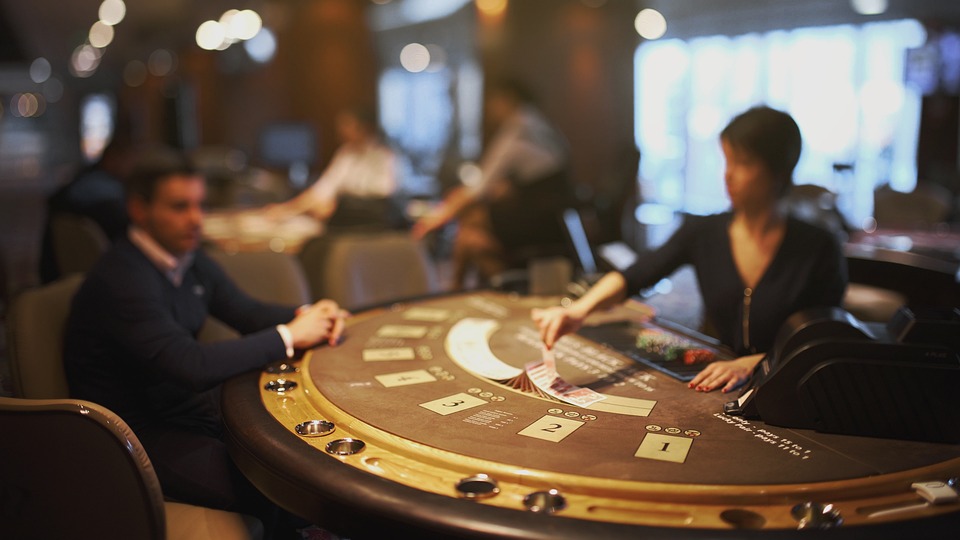
Toronto is home to a vibrant gambling culture, boasting a variety of casinos and gaming establishments that reflect the city’s diverse population. Each venue offers a unique atmosphere, blending entertainment, culinary experiences, and gaming in a way that showcases the city’s multicultural identity.
Our platform aims to enhance your exploration of Toronto’s gambling scene, providing insights into local events, attractions, and hidden gems within the gaming world. Whether you’re a seasoned gambler or a curious visitor, we invite you to experience the rich tapestry of gambling culture in Toronto, where history and modernity intertwine to create unforgettable moments.